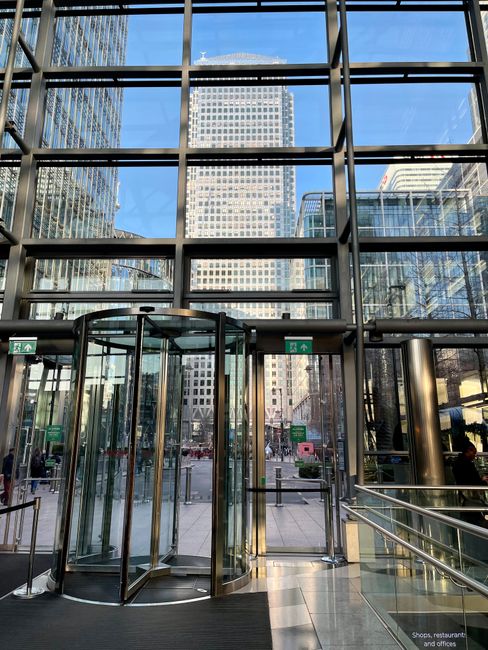
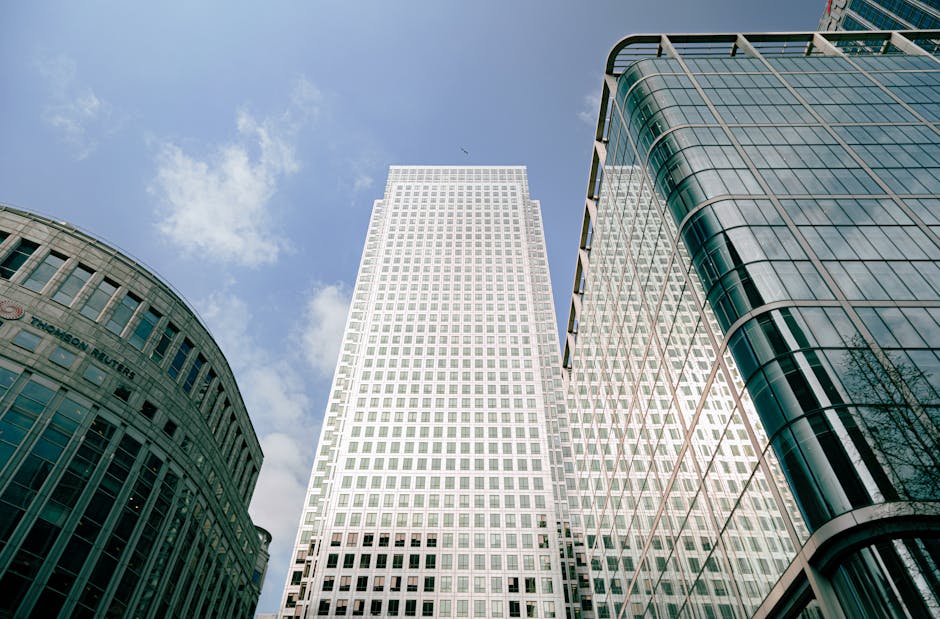
Canary Wharf high rise carpet cleaning success story
If you manage, lease, or live in a tower in Canary Wharf, you already know the reality: carpets take a beating faster than most people expect. Lift traffic, winter grit, coffee spills, wheeled office chairs, and the odd "how did that even get there?" stain all build up. This Canary Wharf high rise carpet cleaning success story shows what happens when the right method, the right planning, and a properly trained team come together in a tall building where access, timing, and presentation all matter.
There is a big difference between a quick tidy-up and a proper high rise carpet clean. In a place like Canary Wharf, you are not only improving appearance. You are protecting flooring investment, reducing complaints, supporting tenant satisfaction, and keeping shared areas looking sharp in a district where first impressions really count. Let's face it, people notice the carpet before they notice the memo on the wall.
This guide breaks down what made the project work, how high rise carpet cleaning is carried out, what to avoid, and how to judge whether a clean is genuinely worth the money. If you are comparing options for an office, residential tower, managed building, or mixed-use block, you will find the practical bits here, not just the glossy version.
Table of Contents
- Why this success story matters
- How high rise carpet cleaning works
- Key benefits and practical advantages
- Who this is for and when it makes sense
- Step-by-step guidance
- Expert tips for better results
- Common mistakes to avoid
- Tools, resources and recommendations
- Law, compliance, standards and best practice
- Options, methods and comparison table
- Case study or real-world example
- Practical checklist
- Conclusion
- Frequently asked questions
Why Canary Wharf high rise carpet cleaning success story Matters
A successful carpet clean in a high-rise setting is about much more than removing marks. In Canary Wharf, the building environment itself changes the job. There are secure lobbies, lift bookings, concierge schedules, tenant movement, delivery constraints, and strict expectations around noise and disruption. A good result means the cleaning has been planned around the building, not forced into it.
This matters because carpets in towers wear differently from carpets in low-rise buildings. The traffic pattern is usually concentrated around lifts, reception routes, conference spaces, and corridor turns. Dirt gets ground in where people pause, change direction, or queue. That means standard domestic-style cleaning often falls short. You need a process that recognises the pressure points.
There is also the image factor. Canary Wharf is one of London's most polished commercial districts, and the visual standard is high. A stained or tired carpet in an office tower can make the whole floor feel dated, even if everything else is immaculate. On the other hand, a fresh carpet can quietly improve how a space feels. Not dramatic. Just noticeable. And sometimes that is exactly what a building needs.
Expert takeaway: In a tall building, carpet cleaning success is rarely about brute force. It is about access planning, moisture control, drying time, and choosing a method that suits the carpet fibre and the building schedule.
How Canary Wharf high rise carpet cleaning success story Works
The basic cleaning principle is simple enough: loosen soil, extract it, and leave the carpet as dry and stable as possible. The real challenge in a high-rise is execution. Getting equipment up and down securely, protecting lifts and common areas, and working within times when residents or office users are least affected can be the difference between a smooth job and a messy one.
Most professional carpet cleaning in tower blocks uses one of three approaches: hot water extraction, low-moisture cleaning, or targeted spot treatment combined with a broader deep clean. For heavily used office floors, extraction is often the workhorse method because it removes embedded soil well. For delicate fibres, busy corridors, or situations where drying time must be limited, a lower-moisture method may be more suitable.
In a Canary Wharf setting, the process usually begins with a site survey. That sounds formal, but really it is just the practical bit: checking access, carpet type, stain levels, lift logistics, power points, water availability, and any safeguarding requirements. Skipping this stage is a classic error. A very expensive classic error, to be fair.
From there, the work is usually organised in zones. Teams clean one section at a time so that fire exits stay clear, movement routes remain safe, and occupants can still function. In many towers, that means early starts, late finishes, or weekend slots. The floor then needs to dry fully, which may involve air movement and careful ventilation rather than simply opening a window and hoping for the best.
If the carpet is in a managed building, the success story often includes good coordination with other services too. It may sit alongside office cleaning for workspaces, or be part of a wider maintenance plan that also covers deep cleaning for shared internal areas. The point is not to isolate the carpet as a one-off event. It works better when it is part of the building's routine care.
Key Benefits and Practical Advantages
When carpet cleaning is done well in a high-rise building, the benefits show up quickly. Some are obvious. Others are the sort of quiet improvements that building managers only fully appreciate after a few days.
- Better appearance: Stains, traffic lanes, and flattened areas are reduced, making the floor look more professional.
- Improved first impressions: Lobbies and corridor routes feel cleaner and better maintained for visitors, staff, and residents.
- Longer carpet life: Embedded grit behaves like fine sandpaper. Removing it helps slow wear.
- Odour reduction: Spills, damp patches, and general build-up can create stale smells in enclosed spaces.
- Better hygiene: Regular cleaning helps remove surface soil and allergens trapped in fibres.
- Reduced complaint levels: People are less likely to report the building as tired, dirty, or neglected.
- Operational calm: A good team works around building schedules instead of disrupting them.
For commercial clients, there is also a practical management benefit. Clean carpets are easier to inspect, easier to maintain, and often easier to budget for because issues are caught before they become replacements. That is especially useful in high-rise buildings where replacing large carpeted areas can be disruptive and costly.
Truth be told, the biggest win is often the one nobody writes on the invoice: confidence. Facilities teams feel better about the space. Tenants feel heard. Visitors see care in the details. Small thing? Maybe. But it changes the atmosphere.
Who This Is For and When It Makes Sense
This kind of carpet cleaning is a strong fit for several situations in and around Canary Wharf:
- Office managers responsible for floor presentation and tenant satisfaction
- Facilities teams handling maintenance planning in mixed-use towers
- Residential block managers looking after communal corridors, lift lobbies, and entrance areas
- Letting and estate agents preparing a space for inspection, occupation, or handover
- Commercial landlords wanting to protect a building's value and image
- Cleaning contractors supporting a larger programme of scheduled maintenance
It makes sense when carpets are visibly tired, after a period of heavy footfall, following a spill incident, before tenant changeover, or as part of a seasonal refresh. In many buildings, spring or post-winter clean-ups are popular because grit and moisture have had months to work their way into the pile. You can almost feel the difference underfoot when the job is done properly.
It may be less suitable when the carpet is already at end-of-life, badly delaminated, or the wrong fibre for moisture-based cleaning. In those cases, a professional should be honest about the limits. Not everything can be "rescued" with shampoo and optimism. Sometimes replacement is the sensible call.
Step-by-Step Guidance
If you want a strong result in a tall building, the process needs structure. Here is the practical flow that usually leads to success.
- Assess the space properly. Check the carpet type, staining, traffic lanes, access routes, and any sensitive fixtures nearby.
- Plan around the building schedule. Choose a time that reduces disruption, such as early morning, after hours, or a weekend window.
- Protect the route in and out. Floor protection, lift padding, and equipment control matter more than people think.
- Pre-treat problem areas. Spots, stains, and high-traffic zones often need targeted treatment before the main clean.
- Select the correct method. Hot water extraction, low-moisture cleaning, or a hybrid approach should match the carpet and site conditions.
- Clean in sections. This keeps walkways safer and makes quality control easier.
- Control moisture carefully. Too much water can lead to slow drying or even secondary problems, and nobody wants that.
- Accelerate drying. Air movers or controlled ventilation help, especially in enclosed high-rise environments.
- Inspect and revisit weak spots. A good team checks edges, corners, and entrance zones before leaving.
- Record what was done. That helps with maintenance planning and future decision-making.
One small but important detail: don't assume the most powerful machine is automatically the best choice. In a tower, control matters more than force. You want the carpet clean, yes, but you also want the building back to normal without lingering dampness or awkward safety issues.
Expert Tips for Better Results
Experience teaches a few useful lessons. Some are obvious once someone points them out, which is often how the best advice works.
- Test a small area first if the carpet is old, colour-sensitive, or made from mixed fibres.
- Deal with edges and entrance mats separately. They usually hold more grit than the main field.
- Use the right pre-spray strength. Too strong can leave residue; too weak can waste time.
- Keep moisture balanced. A wet carpet in a tower is not a success story. It is a scheduling problem.
- Match the method to the environment. A busy office floor and a residential corridor do not always need the same approach.
- Think about airflow early. Drying is part of the job, not a bonus at the end.
- Document recurring stains. If the same area keeps marking up, there may be a layout or usage issue, not just a cleaning issue.
A useful habit is to start with the worst traffic lane and compare it with a less-used section. You will quickly see whether the chosen method is working. That kind of visual check is better than guessing. And less stressful, frankly.
Another small tip: if you are arranging a clean in a high-rise office, speak to occupiers before the day itself. A simple note about dry times, access restrictions, and what to expect can prevent half a dozen complaints. People are usually fine with disruption when they know what is happening. It is the surprise part that causes drama.
Common Mistakes to Avoid
Most poor outcomes in high-rise carpet cleaning are preventable. The trick is recognising the traps before they become expensive lessons.
- Skipping the survey: Without a proper assessment, the team may bring the wrong equipment or allow avoidable disruption.
- Using too much water: Oversaturation leads to slow drying, residue, and possible odour issues.
- Ignoring access planning: If lifts, loading bays, or security checks are not organised, the job slows down fast.
- Cleaning only visible areas: Corners, edges, and thresholds often hold the real dirt load.
- Choosing price over suitability: The cheapest quote is not always the best value in a tower environment.
- Forgetting post-clean protection: Freshly cleaned carpets can resoil quickly if access routes are not managed.
A big one is assuming that a carpet can be made "like new" every time. Sometimes, yes. Often, no. Wear patterns, fibre damage, and years of traffic may leave some visual change behind even after an excellent clean. Good providers are honest about that, which is one reason trust matters so much in this work.
Tools, Resources and Recommendations
The right tools do not guarantee success, but they make success much more likely. In high-rise work, equipment choice is about effectiveness, portability, noise, drying speed, and how safely it can be moved through a managed building.
Common tools and materials include:
- Professional carpet extraction units
- Low-moisture cleaning systems for sensitive or time-critical areas
- Pre-treatment and spot-cleaning solutions
- Air movers to support drying
- Protective pads for lifts and corners
- Warning signage and access control equipment
- Microfibre cloths and detail tools for edges and spot work
It can also help to pair carpet care with broader building cleaning services. For example, many tower managers schedule carpet cleaning alongside window cleaning or office cleaning so the whole floor feels refreshed at once. If the building has a hard-surfaced reception or lift area, then hard floor cleaning can round things out nicely.
If you want a broader view of service options, the main carpet cleaning services page is a useful starting point. It helps when you are comparing specialist support against a general one-off clean.
Law, Compliance, Standards, or Best Practice
For carpet cleaning in a high-rise building, compliance is mostly about safe working practice, duty of care, access control, and sensible building management. It is not about making grand claims. It is about doing the job without creating risks for residents, staff, or contractors.
In the UK, building managers and cleaning providers are generally expected to follow standard health and safety practice, keep walkways clear, control slip hazards, and ensure equipment is used by competent staff. For tall buildings, that often means thinking ahead about water spills, electrical safety, manual handling, and communication with whoever controls the premises. If a provider cannot explain how they manage those things, that is a warning sign.
Insurance is another practical point. In managed or commercial settings, it is sensible to confirm that the cleaning team has appropriate cover before work starts. You do not want a simple equipment mishap to become a facilities headache. The same goes for risk assessment and method statements where they are required by the site.
Best practice also includes respect for the building itself. That means protecting finishes, not blocking fire routes, keeping noise reasonable, and leaving the site tidy. None of that is flashy, but it is exactly what distinguishes a professional carpet clean from a rushed one.
If sustainability matters to your organisation, ask what happens to wastewater, packaging, and disposable materials. A responsible provider should be able to discuss practical recycling and sustainability measures without turning it into a sales script.
Options, Methods, or Comparison Table
Not every tower carpet needs the same cleaning method. The right choice depends on fibre type, soil load, drying time, and how much disruption the building can tolerate.
| Method | Best for | Strengths | Trade-offs |
|---|---|---|---|
| Hot water extraction | Heavy soil, commercial traffic lanes, deep refresh | Strong soil removal, good for tired carpets | Needs careful drying and access planning |
| Low-moisture cleaning | Busy buildings, time-sensitive areas, lighter soil | Faster drying, less disruption | May be less effective on deeply embedded grime |
| Spot treatment plus maintenance clean | Localised stains and regular upkeep | Efficient and targeted | Not a full restorative clean on its own |
In practice, many successful high-rise jobs use a blended approach. A corridor might get low-moisture treatment, while entrance zones and stubborn marks receive stronger pre-treatment or extraction. That flexibility matters. Buildings are rarely tidy little textbooks.
Case Study or Real-World Example
Here is a realistic example drawn from the kind of work often needed in Canary Wharf. A multi-storey office floor had visible traffic lanes around reception, lift entrances, and the break area. Staff were noticing dullness in the carpet, and the building team wanted the work done without disrupting normal occupancy or leaving the floor damp into the next day.
The plan started with a short survey. The team checked access routes, confirmed cleaning windows, and identified the heaviest-worn sections. The most visible stains were pre-treated first, while the rest of the floor was divided into manageable zones. Entry points were protected, and drying support was arranged so the cleaned areas could recover quickly.
What made the job successful was not a dramatic one-off trick. It was the sequence. Problem zones were dealt with early. The method matched the carpet. Occupiers were informed in advance. Walkways stayed usable. By the end, the office looked noticeably fresher, but the bigger win was that people could get back to normal without fuss. That is the kind of result managers remember.
There was also a useful side effect: once the carpet looked cleaner, the rest of the room appeared more cared for too. A slightly bland meeting room can suddenly feel decent again. Funny how that works. Clean carpet, cleaner headspace.
If the space also includes upholstery or soft seating, combining the job with upholstery cleaning can improve the overall result and reduce the chance of one freshly cleaned element making the others look neglected.
Practical Checklist
Use this checklist before booking or approving a high-rise carpet cleaning project in Canary Wharf:
- Confirm the carpet material and condition
- Identify the highest-traffic areas
- Decide which areas need after-hours or weekend work
- Check lift access, loading access, and security arrangements
- Ask how the team controls moisture and drying time
- Request confirmation of insurance and safe working procedures
- Clarify whether stain treatment is included or charged separately
- Ask how edges, corners, and thresholds will be handled
- Plan for signage or temporary access restrictions
- Set expectations for what the carpet can realistically look like after cleaning
- Schedule follow-up maintenance before heavy soiling returns
Quick summary: if the building is busy, tall, and image-sensitive, success depends on planning as much as cleaning. The best outcome is a carpet that looks better, dries properly, and causes minimal disruption. Simple idea. Not always simple to execute, but very doable with the right approach.
Get a free quote today and see how much you can save.
Conclusion
A Canary Wharf high rise carpet cleaning success story is really a story about smart execution. The building matters, the schedule matters, and the method matters. When all three line up, you get more than a cleaner floor. You get a calmer space, a better impression, and less long-term wear on expensive materials.
If you are weighing up a clean for an office tower, residential block, or managed property, the best next step is usually a proper assessment. That gives you a clearer view of the fabric, the access needs, the likely drying time, and the most sensible method for the job. No drama. Just a good plan and the right people carrying it out.
And honestly, that is usually what makes the difference between a decent clean and a genuinely successful one. One careful job can change how a whole floor feels.
Frequently Asked Questions
What makes high-rise carpet cleaning different from normal carpet cleaning?
High-rise carpet cleaning needs more planning around access, lifts, building security, safety, and drying time. The cleaning itself may be similar, but the logistics are a lot more complex.
How often should carpets in Canary Wharf towers be cleaned?
It depends on footfall, carpet type, and the building's use. Busy office corridors and entrances usually need more frequent maintenance than low-traffic areas. A professional assessment is the best way to set a sensible schedule.
Is hot water extraction always the best option?
No. Hot water extraction is effective for many carpets, but low-moisture methods can be better where drying time is tight or where the carpet material is more sensitive. The right choice depends on the site.
Will carpet cleaning disrupt building users?
It can if the job is poorly planned, but good providers work around occupancy patterns and protect access routes. Early starts, out-of-hours slots, and phased cleaning can keep disruption low.
How long does carpet drying take in a tower block?
Drying time varies depending on the method used, ventilation, humidity, and carpet thickness. A professional team should explain how they plan to manage drying before work begins.
Can old stains be removed completely?
Sometimes yes, sometimes not fully. It depends on the stain type, how long it has been there, and whether the fibres have already been damaged or discoloured. A good cleaner should be honest about likely results.
Do I need to move furniture before the clean?
Possibly, but not always. Some items may be moved by the cleaning team if agreed in advance. Heavy or sensitive furniture often needs separate planning to avoid damage.
What should I ask before booking a carpet cleaner?
Ask about method, drying time, insurance, stain treatment, access needs, and how they handle high-traffic or sensitive areas. It is a simple conversation that can prevent a lot of problems later.
Is carpet cleaning safe for office electronics and fixtures?
It can be, provided the area is properly protected and the team works carefully around sensitive items. That is one reason site assessment matters so much in commercial environments.
Can carpet cleaning improve indoor air quality?
It may help by removing dust, soil, and debris trapped in carpet fibres. That said, carpet cleaning is only one part of overall building hygiene, not a magic fix on its own.
How do I know if a carpet needs cleaning or replacement?
If the carpet is structurally damaged, heavily delaminated, or has severe permanent staining, replacement may be more practical. If the main issue is soil build-up, traffic lanes, or general dullness, cleaning is often worthwhile.
What is the biggest mistake people make when booking high-rise carpet cleaning?
The biggest mistake is choosing purely on price and ignoring building logistics. In a tower, the cheapest option can become the most expensive if it causes delays, poor drying, or avoidable disruption.
Where can I find related cleaning services for a full building refresh?
Depending on the space, it can make sense to combine carpet care with deep cleaning, window cleaning, or office cleaning for a more complete result.