Insurance & Safety for Spring Cleaning Services
 Public liability insurance is a foundational element for any professional spring cleaning business. During a seasonal spring clean or a full-scale spring-cleaning operation, the potential for accidental property damage or injury increases: slips on wet floors, knocked-over ornaments, or inadvertent damage to fixtures are common risks. A comprehensive public liability policy protects your company and your clients by covering third-party claims for bodily injury and property damage that may arise while delivering spring cleaning services.
Why public liability matters
Maintaining adequate cover shows clients you take safety seriously and helps safeguard your finances. Policies should match the scale of your spring clean services and the environments you work?? domestic homes, communal stairwells, or small commercial premises. Underwriting will consider the nature of work, the number of staff on site, and the value of equipment used. Always check policy limits, exclusions, and any required endorsements before starting a seasonal cleaning contract. Insurance documentation should be retained and readily available for inspection. During a spring cleaning visit, clients or building managers may request proof of cover. Keeping a digital and hard copy of your certificate and policy summary helps speed up verification and demonstrates professionalism. Record everything from the certificate number to the insurer's emergency claim line so you can act quickly if an incident occurs.
Staff training and competency
Well-trained teams are the best risk mitigators. Effective staff training for spring cleaning services covers safe use of equipment, manual handling, ladder safety, and working at height where required. Each new team member should receive an induction that outlines your company's health and safety expectations, along with practical demonstrations and competency assessments. Consistent training reduces errors, speeds job completion, and promotes client confidence. Personal protective equipment (PPE) is an essential part of staff safety for any spring-clean project. PPE should be suitable for the tasks your crew performs and must be available in a range of sizes. Typical items include:
- Gloves ??? chemical-resistant and cut-resistant options depending on tasks
- Non-slip footwear ??? to reduce slips and falls during wet cleaning
- Eye protection ??? for use with liquids, sprays or when using powered tools
- High-visibility vests ??? for work in shared or communal spaces
- Respiratory protection ??? where dust or fumes are a concern
All PPE must be inspected regularly, maintained, and replaced when worn. Staff should be trained in correct donning, doffing, and disposal procedures to prevent cross-contamination and ensure maximum protection during a spring clean.
Risk assessment is a continual process that begins before any spring-clean booking is accepted. A robust risk assessment process identifies hazards, evaluates who might be harmed, and determines controls to mitigate those risks. For spring cleaning, common hazards include wet floors, awkward access to high windows, chemical exposure, and cluttered workspaces. A standard risk assessment should include:
- Site survey and hazard identification
- Assessment of vulnerable occupants and third parties
- Selection of control measures and PPE
- Emergency response planning
 Documenting actions from each assessment is critical. That documentation should include who carried out the assessment, the date, the specific hazards identified, and the residual risk after controls. For recurring spring cleaning contracts, reassess periodically and update records to reflect any changes in the environment or scope of work.
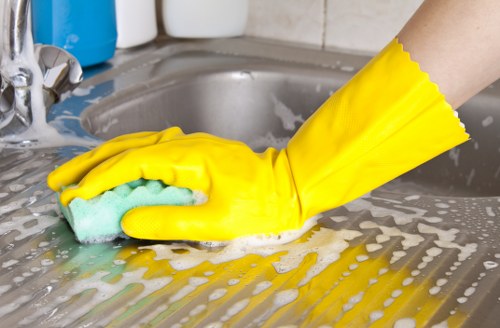 Beyond written risk assessments, implement practical on-site controls: use warning signage for wet floors, employ floor runners to protect surfaces, and ensure ladders are secured and used by trained personnel only. Regular supervisory checks help confirm that safety protocols are being followed during a spring-clean service and that PPE is used correctly. If an incident occurs, an incident report should be completed immediately and reviewed to prevent recurrence.
Insurance, training, PPE and a structured risk assessment process form an interlocking safety framework for spring cleaning operations. Together they reduce the likelihood and impact of incidents, protect employees and clients, and demonstrate a commitment to safe, professional spring clean services. Maintain up-to-date insurance, invest in ongoing staff training, supply and manage appropriate PPE, and treat risk assessments as live documents that evolve with each project. By embedding these practices in your daily operations, you create a safer workplace and a more reliable service for every spring cleaning contract.