Health and Safety Policy for Spring Cleaning and Seasonal Decluttering
 This Health and Safety Policy outlines the organisation's approach to safe spring cleaning operations, seasonal clean-ups and the spring-cleaning process across premises and communal spaces. The purpose is to establish clear expectations for safe behaviour, risk management and supervision during the busy period of a seasonal clean or Spring Cleaning campaign. The policy applies to all personnel, contractors and authorised volunteers engaged in cleaning, decluttering, maintenance, or related activities.
The scope covers routine and intensified cleaning activities that occur as part of an annual spring clean, including deep cleaning, removal of stored items, high-level dusting, floor and surface treatments, and disposal of accumulated waste. It emphasises prevention of slips, trips and falls, correct handling of cleaning agents and equipment, and the control of ergonomic and manual-handling risks that increase during concentrated cleaning efforts.
 Policy objectives are to: maintain a safe environment during a spring clean-up; ensure appropriate risk assessments are carried out; provide suitable personal protective equipment (PPE); and ensure staff and contractors are competent for tasks. The document establishes responsibilities, reporting mechanisms, and continuous improvement processes to reduce incidents while supporting an efficient seasonal cleaning programme.
Responsibilities and Roles
Management will ensure that risk assessments specific to the spring-cleaning cycle are completed and that resources are allocated to control identified hazards. Supervisors will coordinate activities, monitor compliance, and confirm that equipment is maintained and safe to use. Employees and contractors must follow safety instructions, use PPE properly, and report hazards or incidents promptly.
 Key responsibilities include:
- Risk assessment: Identify hazards associated with cleaning chemicals, ladders, waste handling and temporary traffic routes.
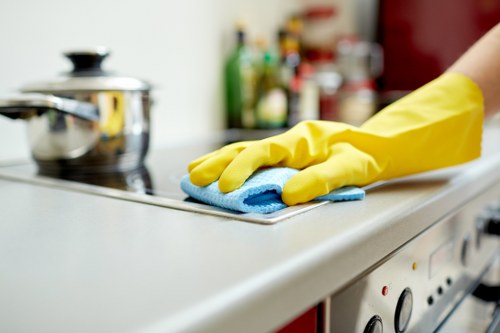
- PPE provision: Provide gloves, eye protection, slip-resistant footwear and respiratory protection where required.
- Training: Ensure staff are briefed on safe use of equipment and emergency procedures.
The policy recognises the seasonal cleaning surge in activities and stresses that temporary measures (such as additional staff or extended hours) must not compromise safety. Supervisors must balance productivity with safe work practices and ensure rest breaks to mitigate fatigue.
Risk Management and Controls
 Before any spring-clean event, a documented risk assessment must be completed for each area and task. Controls should follow a hierarchy: elimination, substitution, engineering controls, administrative measures and PPE. For example, replace particularly hazardous cleaners with less harmful alternatives where effective, and provide mechanical aids for heavy loads.
The cleaning policy emphasises specific controls for common hazards: safe storage and labelling of cleaning products; secure ladder use and fall-prevention measures for high cleaning; isolation of wet floors with clear signage to prevent slips; and management of electrical equipment to avoid contact with water. All equipment must be inspected before use.
Manual handling is a priority during a spring clean-up. Tasks must be assessed for ergonomic risk; use trolleys, sack trucks and team lifts when appropriate. Workers should be trained in safe lifting techniques and encouraged to ask for assistance with bulky or heavy items to reduce musculoskeletal injuries.
Chemical safety is central to any spring-clean policy. Only authorised products should be used and diluted per manufacturer's instructions. Safety data information must be available, and storage should separate incompatible substances. Strong ventilation is recommended during use of volatile products; where appropriate, respiratory protection should be provided.
Waste handling and disposal must be managed to prevent contamination or injury. Segregate recyclable materials, hazardous waste and general refuse. Bulky waste generated during a seasonal declutter must be handled by trained personnel with suitable equipment, and temporary accumulation points should not impede escape routes or create trip hazards.
Electrical safety and working near services require care: isolate circuits before using water near electrical systems, inspect power tools and leads, and avoid trailing cables across walkways. Any temporary lighting or power distribution must be installed by competent persons and checked prior to use.
 Training, communication and incident reporting are essential elements of the policy. All participants must receive a pre-event briefing that covers identified risks, emergency arrangements, PPE requirements and the route for reporting incidents. Records of training and briefings must be maintained.
Incidents, near misses and unsafe conditions must be reported immediately and investigated to determine root causes. Lessons learned should inform future spring-clean programmes and updates to risk assessments. Regular audits and post-event reviews support continuous improvement and the safety of subsequent seasonal cleaning activities.
In conclusion, a robust spring cleaning health and safety policy combines planning, competent supervision, appropriate controls and active participation from everyone involved. By applying consistent risk management, ensuring equipment and chemical safety, and promoting clear communication, organisations can carry out effective spring-clean programmes while minimising harm and protecting wellbeing during every spring clean and seasonal decluttering initiative.