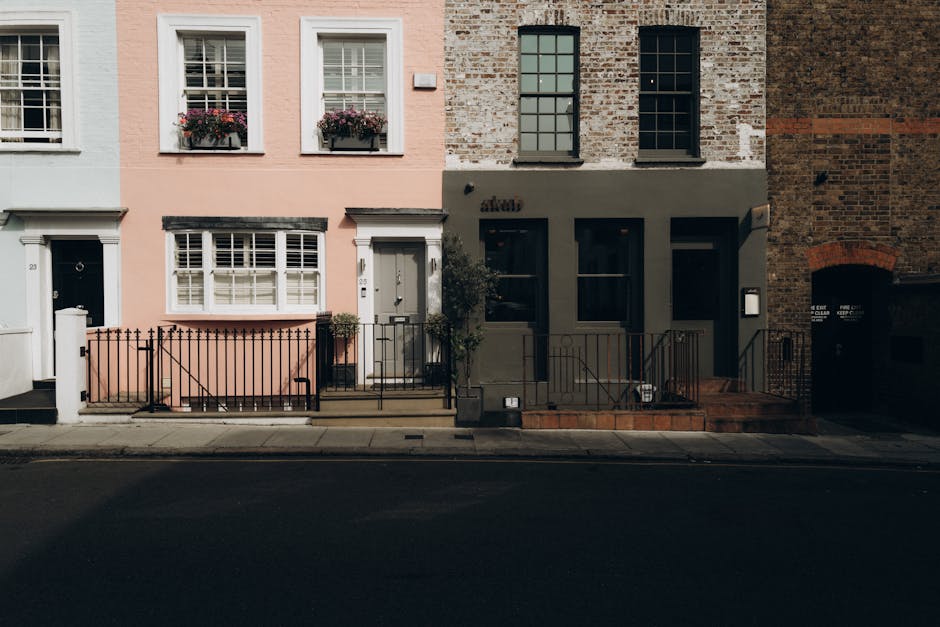
Notting Hill Carpet Cleaning Guide for Portobello Road Homes
If you live near Portobello Road, you already know the charm comes with a bit of character. Victorian floors, busy foot traffic, rentals changing hands, and the odd spill after a long day at the market all add up. This Notting Hill carpet cleaning guide for Portobello Road homes is here to help you keep carpets looking fresh without overcomplicating things. Whether you are dealing with high-traffic hallways, a tired bedroom carpet, or a stubborn patch from last weekend's coffee, the right approach makes a real difference.
Truth be told, carpet care in Notting Hill is less about perfection and more about consistency. A sensible routine, a few good habits, and the right cleaning method will usually do more than a once-a-year panic clean. In this guide, we will walk through what matters, how carpet cleaning works, what to avoid, and how to decide whether a professional service makes more sense than DIY.
For broader home care around the area, it can also help to think of carpet cleaning as part of your wider home cleaning routine, especially if you are trying to keep a busy London property feeling calm rather than chaotic.
Table of Contents
- Why carpet cleaning matters in Portobello Road homes
- How carpet cleaning works
- Key benefits and practical advantages
- Who this guide is for
- Step-by-step guidance
- Expert tips for better results
- Common mistakes to avoid
- Tools, resources and recommendations
- Law, compliance, standards, and best practice
- Options, methods, or comparison table
- Case study or real-world example
- Practical checklist
- Conclusion
- Frequently asked questions
Why Notting Hill carpet cleaning guide for Portobello Road homes Matters
Portobello Road homes face a particular set of carpet challenges. The area is lively, the pavements are busy, and many properties are older, with carpets that have settled into the shape of everyday life. That means dust, outdoor grit, pet hair, cooking odours, and street dirt can build up faster than you expect. On a damp London day, all of that gets tracked straight inside. You notice it most when the sun hits the fibres and suddenly the carpet looks a shade greyer than you remembered.
Carpet cleaning matters here because carpets are doing more than just looking nice. They absorb foot traffic, trap debris, and affect how a room feels. A clean carpet can make a flat seem brighter, smell fresher, and feel more settled. A neglected carpet, by contrast, can make even a well-kept home feel slightly tired. Not dramatic. Just off.
There is also a practical side. Regular cleaning helps reduce the wear caused by embedded grit. If that grit stays in the fibres, it acts like fine sandpaper underfoot. Not ideal, especially in hallways, reception rooms, and stair landings where people move constantly. In a family home, the same applies to play areas and bedroom carpets. In a rental, it is even more obvious because tenants and landlords both notice first impressions very quickly.
And let's face it, Portobello Road is not exactly a quiet suburban lane. The pace of life creates real-life mess. That does not mean you need heavy-handed cleaning every week. It does mean you should understand what the carpet needs, not just what looks convenient.
How Notting Hill carpet cleaning guide for Portobello Road homes Works
Carpet cleaning works by loosening dirt, lifting it out of the pile, and removing residue without damaging the fibres or backing. In practice, that can happen in a few different ways. The best method depends on the carpet material, how dirty it is, whether there are stains, and how much drying time you can handle. That last part matters more than people think.
Most domestic carpet cleaning falls into one of three broad approaches:
- Hot water extraction or steam cleaning, which uses heated water and cleaning solution to break down dirt before extracting it.
- Shampooing, where foam or detergent is worked into the fibres and then removed.
- Low-moisture or dry-style cleaning, which uses less water and suits carpets that need faster drying.
In many Portobello Road homes, the decision is shaped by building type. If you have a flat with limited airflow, lower-moisture methods can be easier to live with. If you have a thicker carpet in a family living room and you can leave it to dry properly, extraction often gives a deeper result. For delicate rugs or mixed-fibre flooring, the choice becomes even more important. That is where a proper assessment beats guesswork every time.
A good service usually starts with inspection, then vacuuming, spot treatment, cleaning, and careful drying. The inspection part is not just formalities. It is where issues like worn edges, colour loss, or old stain damage are spotted before anything wet touches the carpet. Skipping that step is how people end up saying, "It looked better before we started," which, to be fair, is not the outcome anyone wants.
If you are comparing carpet cleaning with a wider deep-cleaning plan, the process often sits alongside other tasks such as upholstery care or hard floor work. That is why many households choose a more comprehensive deep cleaning visit rather than treating carpets in isolation.
Key Benefits and Practical Advantages
There are obvious benefits to clean carpets, but the practical ones matter more day to day. The first is appearance. Clean fibres reflect light better and make rooms feel less dull. In compact Notting Hill flats, that small visual lift can change the whole mood of a room.
The second is hygiene. Carpets collect a surprising amount of debris, and while no cleaning service can turn them into something laboratory-perfect, regular treatment helps reduce the build-up of dust, general grime, and everyday marks. If you have children, pets, or a lot of visitors, this becomes more noticeable very quickly.
The third is comfort. Freshly cleaned carpets can feel softer underfoot, and that makes a home feel more cared for. You notice it most when walking barefoot from the bedroom into the hallway in the morning. Quiet detail, but a real one.
There is also a value angle. Well-maintained carpets usually age more gracefully, and that can delay replacement. For landlords and tenants, a cleaner carpet can help avoid unnecessary end-of-tenancy disputes. For owners, it helps preserve the look of the home, especially in older properties where surfaces already carry a lot of character.
Here is a practical summary:
Expert summary: In Portobello Road homes, the best carpet cleaning approach is usually the one that balances fibre safety, drying time, stain removal, and day-to-day disruption. Deepest is not always best. Sensible is best.
Who This Is For and When It Makes Sense
This guide is for anyone living in or around Portobello Road who wants their carpets cleaner without making a mess of the process. That includes homeowners, tenants, landlords, letting agents, and people preparing a property for sale or guests. It also suits households that simply want better maintenance habits and fewer "we should really sort that" moments.
It makes sense to clean carpets when:
- there are visible marks, traffic lanes, or dull patches
- there is a smell you cannot quite place
- a pet accident or drink spill has soaked in
- you are moving out, moving in, or hosting visitors
- allergy-prone family members seem affected by dust build-up
- the carpet has not been professionally cleaned in a long time
It also makes sense after renovation work. Dust from decorating settles into fibres more easily than most people expect. If you have recently had a room repainted or refloored, carpet cleaning may be the finishing touch that makes the place feel properly finished. For post-renovation situations, some homes need a broader after builders cleaning service as well, especially if dust has travelled beyond the carpet.
Not every carpet needs the same treatment. A hall runner near the front door is different from a wool carpet in a quiet bedroom. A rental flat with synthetic carpet is different again. That is why one-size-fits-all advice usually falls apart once you get into the real details.
Step-by-Step Guidance
Here is a practical way to approach carpet cleaning in a Portobello Road home without overthinking it.
1. Identify the carpet type
Check whether the carpet is wool, synthetic, blended, or something more delicate. If you are unsure, look at the manufacturer label or ask a professional before using water-heavy methods. Wool, for example, is lovely but can be less forgiving if you push the cleaning too hard.
2. Vacuum properly first
A quick sweep is not enough. Use a vacuum with good suction and slow passes. You want to remove loose grit before adding moisture. Otherwise, you just turn surface dirt into mud. Small thing, big difference.
3. Test a hidden patch
Any spot treatment or cleaning solution should be tested in a less visible area. This is standard, and for good reason. Some dyes bleed, some fibres react, and some carpets simply do not enjoy experimental chemistry in the middle of the lounge.
4. Treat spots before the full clean
Spills should be addressed gently. Blot, do not rub. Rubbing pushes the stain deeper and roughs up the fibres. Use a suitable spot cleaner, but do not over-wet the patch. A little restraint here goes a long way.
5. Choose the right cleaning method
For deeper grime, hot water extraction may be the best option. For lighter maintenance, low-moisture cleaning may be easier to manage. If the carpet is old or fragile, a cautious approach is wiser than a forceful one.
6. Manage drying time
Open windows where practical, keep foot traffic off the carpet, and use airflow to speed drying. In a London flat, drying time can be affected by limited ventilation, so this step is not optional. If the carpet stays damp too long, it can feel unpleasant and may develop a stale smell.
7. Finish with a final inspection
Once dry, check for any lingering marks, flattened pile, or missed edges. A clean carpet should look even, feel fresh, and not leave residue underfoot. If it does, the process may need adjusting next time.
Expert Tips for Better Results
A few small habits make carpet cleaning work better in real homes. No magic, just good practice.
- Vacuum more often than you think you need to. In busy areas near Portobello Road, twice a week is not excessive for hallways and entrances.
- Use mats at the front and back doors. They catch grit before it reaches the carpet. Simple, old-fashioned, effective.
- Deal with spills quickly. The first ten minutes often matter more than the next ten products you might buy later.
- Do not saturate the pile. More water is not more cleaning. It is just more drying.
- Rotate furniture where possible. That spreads wear and stops permanent traffic lines from forming in one place.
- Keep a small spot-cleaning kit at home. A clean cloth, a suitable stain treatment, and a little patience can save you a lot of trouble.
One practical thing people often miss: light maintenance between professional cleans matters almost as much as the deep clean itself. A carpet that gets vacuumed well and treated quickly after spills will usually stay presentable for much longer. It is not glamorous, but it works.
Also, if a room has mixed surfaces, do not treat everything the same. A carpet next to an upholstered chair can pick up body oils and dust from seating, which is why a combined approach sometimes makes more sense. For those situations, an upholstery cleaning visit can complement the carpet work nicely.
Common Mistakes to Avoid
The biggest carpet cleaning mistakes are usually very ordinary ones. That is the annoying part. People do not usually ruin carpets through dramatic disasters. More often, they overdo one small thing and create a problem that takes longer to fix.
- Using too much cleaning product. Residue can attract dirt and leave carpets looking dull again too quickly.
- Scrubbing stains aggressively. This can damage pile and spread the mark wider.
- Cleaning without vacuuming first. It wastes effort and can grind grit deeper into the fibres.
- Ignoring drying time. Damp carpets and closed windows are not a great combination.
- Choosing the wrong method for the fibre type. Delicate carpets need more care than a quick online tip can provide.
- Waiting too long after a spill. Some stains become much harder to remove once they settle.
Another common mistake is assuming the cheapest option is automatically the best. Sometimes a basic clean is enough. Sometimes you need a stronger approach, or a professional with the right equipment. The right value is the clean that lasts and does not create new problems. That sounds obvious, but people forget it in the rush to get things sorted.
Tools, Resources and Recommendations
If you are handling part of the work yourself, a few sensible tools will help. You do not need a cupboard full of gadgets, just the right basics.
- a reliable vacuum with a decent brush setting
- clean microfibre cloths for blotting spills
- a soft brush for loosening surface debris
- a suitable spot-cleaning product for your carpet type
- fans or a way to improve airflow after cleaning
- protective gloves if you are using any stronger solution
If you want a machine rather than a manual method, it is worth comparing rentals and professional equipment carefully. A rented machine can work well for some households, but results depend a lot on how it is used and whether you can dry the carpet properly afterwards. For those weighing up the pros and cons, this guide on carpet cleaner rental can help frame the decision, while this page on hire carpet cleaner options may be useful if you want a more practical rental-style approach.
For deeper cleaning jobs, professional-grade methods often outperform standard household machines, especially where stain removal or quicker drying matters. A specialist carpet cleaning services page is a good place to compare what is typically included in a proper visit. If your home needs broader maintenance, you might also look at a regular domestic cleaning arrangement so the carpets are not getting neglected between larger cleans.
And if your carpet is not the only soft furnishing that needs attention, a dedicated rug cleaning or upholstery cleaning service can stop you from solving one problem while leaving the rest untouched. That happens more often than it should.
Law, Compliance, Standards, or Best Practice
Carpet cleaning in private homes is not usually about heavy regulation, but good practice still matters. In the UK, reputable cleaning businesses should work with sensible health and safety routines, use equipment appropriately, and take care with products, ventilation, and electrical safety. That is basic professionalism, not a bonus.
If you are hiring a company, it is reasonable to ask how they manage insurance, staff training, and site safety. You are not being awkward. You are being sensible. A proper provider should be able to explain what they do if something gets damaged, how they approach fragile surfaces, and what to expect from the clean. Clear communication says a lot.
For households, the main compliance issue is often less about law and more about product use. Follow label instructions, do not mix chemicals, and keep cleaning agents away from children and pets. If the property is rented, end-of-tenancy expectations can vary by tenancy agreement, so it is worth checking what condition is required before you move out. That sounds basic, but people miss it all the time in the final week.
For environmental best practice, many households also prefer methods that reduce waste water and limit harsh residue. If that matters to you, ask about reusable cloths, lower-water methods, and disposal of any waste solution. There is a sensible middle ground between over-engineering the job and treating the carpet like a disposable item. A decent company should understand that.
If you want reassurance on company standards more broadly, you can review a provider's health and safety policy or their insurance and safety information before booking. Those pages are not glamorous, sure, but they are often where trust shows up first.
Options, Methods, or Comparison Table
Different carpet cleaning methods suit different homes. The best choice depends on how dirty the carpet is, how much drying time you can allow, and how sensitive the fibres are.
| Method | Best for | Pros | Trade-offs |
|---|---|---|---|
| Hot water extraction | Deep cleaning, heavy traffic, general refresh | Strong dirt removal, good for embedded grime | Longer drying time, not ideal for every fibre |
| Shampoo cleaning | General surface cleaning, some stain treatment | Can lift visible soil well | May leave residue if not handled carefully |
| Low-moisture cleaning | Flats, faster turnaround, lighter maintenance | Quicker drying, less disruption | May not match extraction for deep soil removal |
| Spot treatment only | Small accidents, quick response | Fast and convenient for isolated marks | Does not solve broader wear or overall dullness |
In Portobello Road homes, the choice is often practical rather than theoretical. If you are in a compact flat and need to use the room again the same day, low-moisture methods may be more realistic. If the carpet has not been properly cleaned for a long time, extraction may be the better investment. Sometimes the answer is not "which method is best?" but "which method will actually fit your life this week?"
Case Study or Real-World Example
A common situation in Notting Hill goes something like this. A two-bedroom flat near Portobello Road has a light-coloured carpet in the living room and hallway. The household includes one dog, frequent visitors, and plenty of outdoor foot traffic. The carpet still looks okay from a distance, but near the doorway there is a greyish line where dirt has settled into the fibres. The hallway also has a faint smell after wet weather.
The first step was not to panic and buy every stain remover in the shop. Instead, the carpet was vacuumed slowly and thoroughly, the visible spots were pre-treated, and the cleaning method was chosen based on the carpet material and drying constraints. Because the flat had limited ventilation, the goal was not maximum wetness or maximum drama. It was a clean result with manageable drying time.
After cleaning, the room felt brighter, and the hallway smell cleared. The homeowner then added a better entrance mat and started vacuuming the traffic areas more often. Nothing fancy. Just a better routine. That is usually how the best outcomes happen in real homes. Not through one heroic clean, but through a cleaner rhythm afterwards.
If the same flat had also needed kitchen attention or general reset cleaning, it might have made sense to pair the carpet job with a broader one-off cleaning visit, especially before guests, a tenancy change, or a seasonal refresh.
Practical Checklist
Use this checklist before, during, and after carpet cleaning in a Portobello Road home.
- Identify the carpet material and any care instructions.
- Vacuum thoroughly before applying any cleaner.
- Test products on a hidden area first.
- Blot stains gently instead of scrubbing.
- Choose a cleaning method that matches the carpet and the room's drying conditions.
- Protect nearby furniture and fragile items.
- Keep windows open or improve airflow where possible.
- Avoid walking on the carpet until it is properly dry.
- Check the result once the fibres are fully dry.
- Set a maintenance plan so the carpet stays cleaner for longer.
If you can tick most of those boxes, you are already ahead of many households. Honestly, that is where the good results come from. Not from perfection. From doing the basics properly.
Conclusion
A good carpet cleaning routine in Notting Hill is about balancing appearance, practicality, and the realities of London living. Portobello Road homes deal with busy foot traffic, older properties, changing weather, and the usual daily spillages that happen when life is happening at full speed. With the right method and a bit of consistency, carpets can stay fresher, last longer, and make the whole home feel better.
The main thing to remember is this: the best carpet care is the care you can actually maintain. Choose the right method, avoid common mistakes, and act quickly when spills happen. A little attention goes a long way, especially in a home that gets used properly, not just displayed. And that is the real goal, isn't it? A home that feels lived in, but looked after.
If you are weighing up your options for a deeper clean, a maintenance visit, or a full home refresh, start with the level of care your carpets genuinely need.
Get a free quote today and see how much you can save.
Frequently Asked Questions
How often should carpets be cleaned in Portobello Road homes?
That depends on foot traffic, pets, children, and the type of carpet. In busy homes, a professional clean every 6 to 12 months is common, with regular vacuuming in between. Hallways and entry areas usually need more attention than bedrooms.
Is steam cleaning safe for all carpet types?
No, not always. Steam or hot water extraction works well for many synthetic carpets, but some natural fibres and delicate carpets need a gentler approach. Always check care guidance first and test a small hidden area if you are unsure.
What is the best way to remove old stains?
Older stains are harder because they have settled into the fibres. The safest first step is usually a gentle spot treatment and blotting, not scrubbing. If the stain is still visible after that, a professional assessment may be the most practical next step.
How long does carpet drying usually take?
Drying time varies depending on the cleaning method, ventilation, carpet thickness, and weather. In a London flat, it can take longer than people expect if windows stay closed. Good airflow makes a real difference.
Can I clean my carpets myself or should I hire a professional?
You can absolutely handle light maintenance yourself, especially vacuuming and quick stain response. For deeper cleaning, delicate materials, or stubborn marks, a professional service often gives more reliable results and less risk.
Will carpet cleaning remove pet odours?
It often helps a lot, especially if the odour is coming from general dirt or surface contamination. If the smell has soaked deep into the underlay, a more targeted treatment may be needed. The sooner you act, the better.
Are professional carpet cleaners worth it for rental flats?
Usually yes, especially before a move-out inspection or when you want the property to feel fresh again. A good clean can improve presentation and reduce disputes about general wear, though it will not reverse severe damage or long-term neglect.
What should I do before a carpet cleaner arrives?
Clear small items from the floor, move light furniture if agreed, vacuum if requested, and point out stains or damage you are worried about. The more the cleaner knows in advance, the better the outcome tends to be.
Can carpet cleaning damage wool carpets?
It can if the wrong method is used or if the carpet is over-wet. Wool needs care, controlled moisture, and suitable products. If your carpet is wool, ask specifically about that before booking or cleaning.
Is there a difference between carpet cleaning and rug cleaning?
Yes. Rugs are often more delicate, more portable, and made with a wider range of fibres and backings. A rug may need a different process from a fitted carpet. If in doubt, treat them as separate jobs rather than assuming one method fits all.
What are the signs that my carpet needs professional cleaning?
Look for dull patches, visible traffic lines, lingering smells, repeated stains that do not shift, or fibres that feel sticky after cleaning. If vacuuming no longer makes the room feel fresh, it is probably time for a deeper clean.
Do I need to worry about safety or insurance when hiring a cleaner?
Yes, it is sensible to ask. Reputable cleaners should be able to explain their approach to safety, equipment, and insurance. That helps protect your home and gives you a clearer idea of what to expect if anything goes wrong.
What is the smartest first step if my carpet looks tired but not dirty?
Start with a proper vacuum, then inspect the areas that get the most foot traffic. Sometimes the problem is not visible dirt but flattened fibres or embedded dust. If the carpet still looks flat or dull after that, a deeper clean may be the right move.